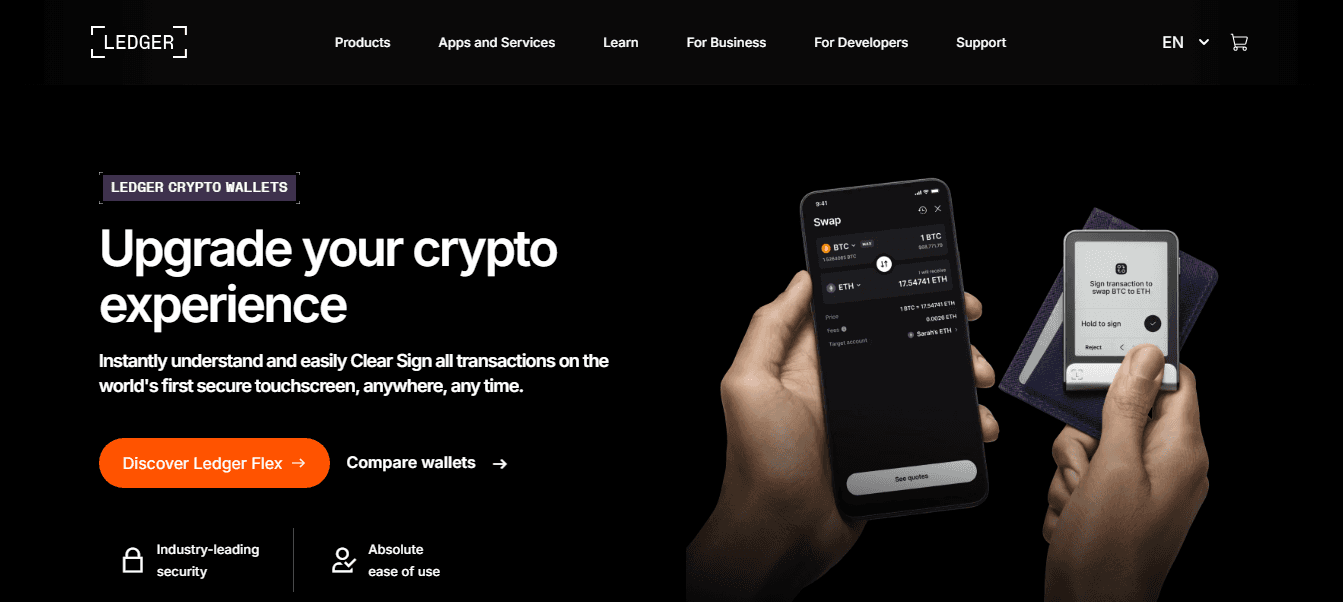
Ledger Login: A Secure Way to Access and Control Digital Assets
Ledger login is the secure method used to access cryptocurrency accounts through a Ledger hardware wallet and its companion application. Unlike traditional online logins that rely on usernames, passwords, and centralized databases, Ledger login is based on hardware authentication. This system places control directly in the hands of the user and is designed to protect digital assets from online threats, unauthorized access, and data breaches.
This content explains what Ledger login is, how it works, why it is different from conventional login systems, and how users can maintain safe and reliable access to their cryptocurrency holdings.
What Is Ledger Login?
Ledger login does not involve creating an online account or signing in with personal details. There is no email address, password, or cloud-based profile. Instead, access is granted through a Ledger hardware wallet that stores private keys offline.
When a user connects their Ledger device and unlocks it using a PIN, they are effectively logged in. The hardware wallet becomes the proof of identity and authority. This method removes many of the risks commonly associated with online logins, such as password theft or phishing attacks.
How the Ledger Login Process Works
The Ledger login process begins when the user opens the Ledger Live application on a computer or mobile device. The application requests the user to connect their Ledger hardware wallet. Once connected, the device prompts the user to enter their PIN directly on the wallet.
After the correct PIN is entered, Ledger Live can access account information such as balances and transaction history. However, viewing information and approving actions are treated differently. While balances can be displayed after login, any sensitive operation, such as sending funds or changing settings, requires physical confirmation on the device itself.
This layered process ensures that login access and transaction approval remain under the user’s direct control.
The Role of Hardware Security in Ledger Login
The Ledger hardware wallet is the core element of the login system. It is designed with a secure chip that isolates private keys from external software. This chip is built to resist hacking attempts, malware, and physical tampering.
The wallet also includes protective features such as PIN limits and automatic resets after repeated incorrect attempts. These measures help ensure that even if the device falls into the wrong hands, the assets remain protected.
Ledger login depends on physical possession of the device, which adds a level of security that software-only systems cannot provide.
Ledger Login and the Ledger Live Interface
Ledger Live acts as the visual interface for managing crypto assets after login. Once the hardware wallet is unlocked, Ledger Live allows users to perform a variety of tasks, including:
Viewing cryptocurrency balances
Managing multiple accounts
Reviewing transaction history
Sending and receiving assets
Installing or removing blockchain applications
Updating device firmware
Ledger Live does not store private keys or login credentials. It simply communicates with the hardware wallet and displays authorized information, keeping sensitive data fully isolated.
Why Ledger Login Is More Secure Than Traditional Logins
No Password-Based Access
Ledger login does not rely on passwords, which are often reused, guessed, or stolen. This eliminates one of the most common points of failure in digital security.
No Centralized Storage
There is no central database holding user credentials. This removes the risk of large-scale data breaches that can compromise thousands of accounts at once.
Physical Confirmation Required
Every important action requires confirmation on the physical device. This prevents unauthorized transactions even if a computer or phone is infected with malicious software.
Offline Private Key Storage
Private keys never leave the hardware wallet and are never exposed to the internet. This dramatically reduces the risk of theft.
Benefits of Using Ledger Login
Strong Asset Protection
Ledger login provides a high level of protection against online attacks. Hardware-based authentication significantly reduces exposure to common threats.
Complete User Control
Users remain the sole owners of their digital assets. There is no third party that can freeze accounts, restrict access, or approve transactions.
Privacy-Focused Access
Ledger login does not require personal information. Users can manage assets without sharing identities or contact details.
Reliable Long-Term Access
As long as the user has the hardware wallet or the recovery phrase, access can be restored independently of any service provider.
Typical Use Cases for Ledger Login
Ledger login is commonly used by individuals who prioritize security and independence. Common use cases include:
Long-term storage of cryptocurrencies
Secure transfers between wallets
Managing diverse crypto portfolios
Protecting assets from online risks
Maintaining self-custody without intermediaries
It is suitable for both newcomers who want strong default security and experienced users who prefer full control.
Security Elements That Support Ledger Login
PIN Protection
The PIN is required to unlock the hardware wallet. Multiple incorrect attempts trigger protective measures, including device reset.
Recovery Phrase
During initial setup, a recovery phrase is generated. This phrase allows users to restore access on a new device if the original wallet is lost or damaged. It must be stored securely offline.
On-Device Verification
Transaction details are displayed on the device screen, allowing users to verify information before approval. This helps prevent manipulation by compromised systems.
Best Practices for Safe Ledger Login
Store the Recovery Phrase Carefully
The recovery phrase should be written down clearly and stored in a secure, offline location. It should never be shared or saved digitally.
Protect the Hardware Wallet
Keep the device in a safe place when not in use. Avoid leaving it unattended or exposing it to unnecessary risks.
Always Verify Details on the Device
Before approving any action, carefully check the information shown on the device screen to ensure accuracy.
Keep Software Updated
Regular updates to the Ledger Live application and device firmware help maintain security and performance.
Use Trusted Computers and Phones
While Ledger login protects private keys, using clean and secure devices further reduces risk.
Ledger Login Across Different Devices
Ledger login works consistently across desktop and mobile environments. On desktop systems, users often perform setup, firmware updates, and advanced account management. On mobile devices, users benefit from quick access to balances and the ability to initiate transactions while traveling.
In every case, the hardware wallet remains essential for authentication and approval, ensuring uniform security across platforms.
Recovering Access if Login Is Lost
If the Ledger hardware wallet is lost, stolen, or damaged, users can restore access by entering the recovery phrase on a new Ledger device. This process restores all accounts and balances exactly as before.
If the recovery phrase is lost, access to the assets cannot be recovered. This highlights the importance of proper backup and careful storage.
Who Should Use Ledger Login?
Ledger login is ideal for anyone who values security, privacy, and full ownership of digital assets. It is especially suitable for long-term holders, security-conscious users, and individuals who want to avoid centralized platforms.
Beginners benefit from the strong built-in protections, while advanced users appreciate the robustness and independence of hardware-based login.
Conclusion
Ledger login offers a secure, user-controlled method for accessing cryptocurrency assets without relying on traditional passwords or centralized systems. By using hardware authentication, offline key storage, and physical confirmation, it minimizes exposure to online threats and ensures that users remain in full control of their assets.
Whether used for everyday transactions or long-term storage, Ledger login provides a dependable, privacy-focused, and highly secure approach to managing digital assets in a constantly evolving digital landscape.