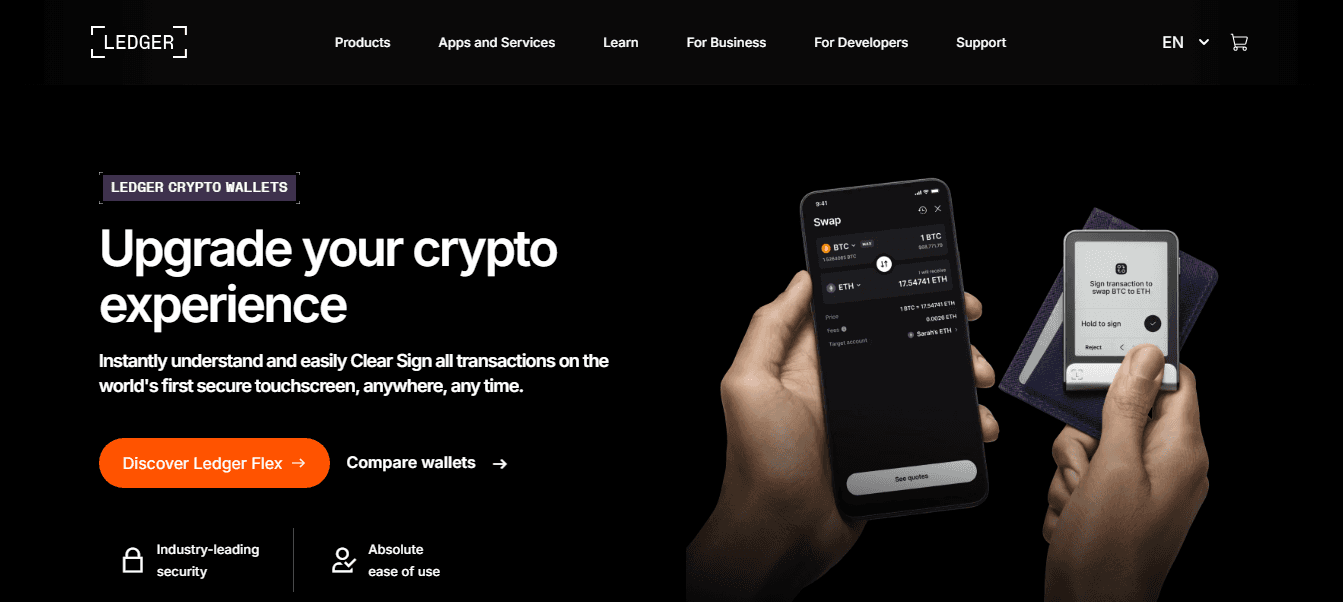
Ledger Login: Secure Access to Your Cryptocurrency Assets
Ledger login is the process through which users securely access and manage their cryptocurrency accounts using a Ledger hardware wallet in combination with the Ledger Live application. Unlike traditional login systems that rely on usernames, passwords, or centralized servers, Ledger login is built around hardware-based authentication. This approach provides a much higher level of security and ensures that users remain in full control of their digital assets at all times.
This guide explains what Ledger login is, how it works, why it is different from standard login methods, and how users can follow best practices to stay safe.
What Does Ledger Login Mean?
Ledger login does not involve creating an online account or signing in with an email address and password. Instead, access is granted through physical ownership of a Ledger hardware wallet and knowledge of its PIN code. The hardware wallet stores private keys securely offline and acts as the main authentication device.
When users connect their Ledger device to the Ledger Live application and unlock it with the correct PIN, they gain access to their cryptocurrency accounts. This system removes reliance on centralized login credentials and significantly reduces the risk of unauthorized access.
How Ledger Login Works
The Ledger login process begins when a user opens the Ledger Live application on a desktop or mobile device. The user is prompted to connect their Ledger hardware wallet and unlock it using the PIN code set during initial setup.
Once the device is unlocked, Ledger Live can display account balances, transaction history, and portfolio information. However, any sensitive action, such as sending cryptocurrency or managing applications, requires confirmation directly on the hardware wallet. This ensures that no action can be completed without the user’s physical approval.
Because private keys never leave the hardware wallet, they remain protected even if the connected computer or phone is compromised.
The Importance of the Hardware Wallet in Ledger Login
The Ledger hardware wallet is the foundation of the login system. It is designed with a secure chip that isolates private keys from external threats. This chip is resistant to malware, hacking attempts, and physical tampering.
The device requires a PIN to unlock, which prevents unauthorized access if the wallet is lost or stolen. After several incorrect PIN attempts, the device automatically resets, protecting the stored assets from brute-force attacks.
All login-related permissions are controlled by the hardware wallet, making it the most critical element of Ledger login security.
Ledger Login Through Ledger Live
Ledger Live serves as the interface that allows users to interact with their assets after logging in. Once the hardware wallet is connected and unlocked, users can perform a variety of tasks, including:
Viewing cryptocurrency balances
Managing multiple accounts
Checking transaction history
Sending and receiving digital assets
Installing or removing applications on the device
Updating firmware
Ledger Live itself does not store private keys or login credentials. It only displays information that the hardware wallet authorizes, maintaining a strict separation between the interface and the sensitive data.
How Ledger Login Differs From Traditional Logins
No Centralized Accounts
Ledger login does not rely on centralized servers or user accounts. There is no risk of account suspension, password resets, or database breaches.
No Password Dependency
Because there are no usernames or passwords, common threats such as phishing emails, password reuse, and keylogging attacks are eliminated.
Physical Authentication
Access depends on physical possession of the hardware wallet and knowledge of the PIN. This makes unauthorized access extremely difficult.
Offline Key Protection
Private keys remain offline at all times, even during login. They are never exposed to the internet or third-party systems.
Benefits of Using Ledger Login
Strong Security Model
Ledger login provides one of the highest levels of security available for cryptocurrency management. The combination of offline key storage and physical confirmation greatly reduces attack surfaces.
Complete Control Over Assets
Users maintain full ownership of their cryptocurrencies. There is no third party involved in approving access or transactions.
Enhanced Privacy
Ledger login does not require personal details such as names, email addresses, or phone numbers. This allows users to manage assets privately.
Reliable Access
As long as users have their hardware wallet and recovery phrase, they can access their assets without depending on external services.
Common Scenarios for Using Ledger Login
Ledger login is widely used by individuals who prioritize safety and long-term control of their crypto holdings. Common scenarios include:
Long-term storage of cryptocurrencies
Secure daily transactions
Managing multiple crypto accounts
Monitoring portfolio performance
Protecting assets from online threats
Both beginners and experienced users can benefit from the simplicity and security of this login method.
Security Components Involved in Ledger Login
PIN Code
The PIN code protects the hardware wallet from unauthorized access. It must be entered every time the device is connected and unlocked.
Recovery Phrase
During initial setup, a recovery phrase is generated. This phrase is the only way to restore access if the device is lost, damaged, or reset. It should be stored securely offline and never shared.
Physical Confirmation
Every sensitive action requires physical confirmation on the hardware wallet. This ensures that even if malware is present on the connected device, it cannot approve transactions.
Best Practices for Safe Ledger Login
Store the Recovery Phrase Securely
The recovery phrase should be written down clearly and stored in a safe, offline location. It should never be photographed, scanned, or stored digitally.
Protect the PIN
Choose a strong PIN and avoid sharing it with anyone. Always enter the PIN discreetly to prevent observation.
Verify Actions on the Device Screen
Always check transaction details on the hardware wallet screen before approving. This ensures accuracy and prevents manipulation.
Keep Software Updated
Regular updates to Ledger Live and device firmware help maintain security and compatibility with blockchain networks.
Use Trusted Computers and Phones
Although Ledger login is highly secure, using clean and trusted devices further reduces risk.
Ledger Login on Desktop and Mobile Devices
Ledger login works consistently across desktop and mobile platforms. On desktop, users typically manage firmware updates, install applications, and perform detailed account management. On mobile devices, users often check balances and initiate transactions while traveling.
In both cases, the hardware wallet remains essential for authentication and approval, ensuring the same security standards regardless of platform.
Recovering Access If Login Is Lost
If the Ledger hardware wallet is lost or damaged, users can restore access by entering the recovery phrase on a new Ledger device. This process restores all accounts and balances, proving that ownership is linked to the recovery phrase rather than the physical device itself.
If the recovery phrase is lost, access to the assets cannot be recovered, highlighting the importance of proper backup.
Who Should Use Ledger Login?
Ledger login is ideal for anyone who wants maximum security and full control over their digital assets. It is especially suitable for long-term holders, privacy-conscious users, and individuals who prefer self-custody over centralized platforms.
Beginners benefit from strong built-in security, while advanced users appreciate the independence and reliability of hardware-based authentication.
Conclusion
Ledger login offers a secure, reliable, and privacy-focused way to access cryptocurrency assets. By eliminating traditional passwords and relying on hardware-based authentication, it significantly reduces the risks associated with online threats. With offline key storage, PIN protection, and physical confirmation, Ledger login ensures that users remain in full control of their assets at all times.
Whether used for daily transactions or long-term storage, Ledger login provides peace of mind, strong security, and complete ownership in an increasingly digital financial world.